How to Design Multi-Country Routes Effectively
Planning a multi-country trip can be a complicated task. This article aims to provide practical insights and guidelines to help travelers design effective routes across Europe, ensuring a seamless and enjoyable experience.
Understanding the Basics of Route Design
When designing a multi-country travel route, it's essential to consider factors like travel logistics, cultural interests, and time constraints. According to studies conducted by travel experts, an effective route often balances these elements to maximize the travel experience.

"A well-planned route can significantly enhance your travel experience, allowing you to explore diverse cultures and sights without unnecessary stress."
Steps to Design Your Multi-Country Route
- Research Your Destinations: Understanding the countries you wish to visit is critical. Online resources and travel forums can provide insights into must-see attractions and local customs. Many users report that creating a list of priorities helps in narrowing down choices effectively.
- Map Out Your Travel Logistics: Utilize mapping tools or travel apps to visualize your route. This typically takes time as you assess distances, travel times, and modes of transportation. Experts recommend considering local transport options to enhance the travel experience.
- Consider Cultural Events and Holidays: Planning your visit around local festivals or events can enrich your trip. However, this requires prior knowledge and careful scheduling, as some events may lead to increased tourism in certain areas.
Utilizing Offline Consultations
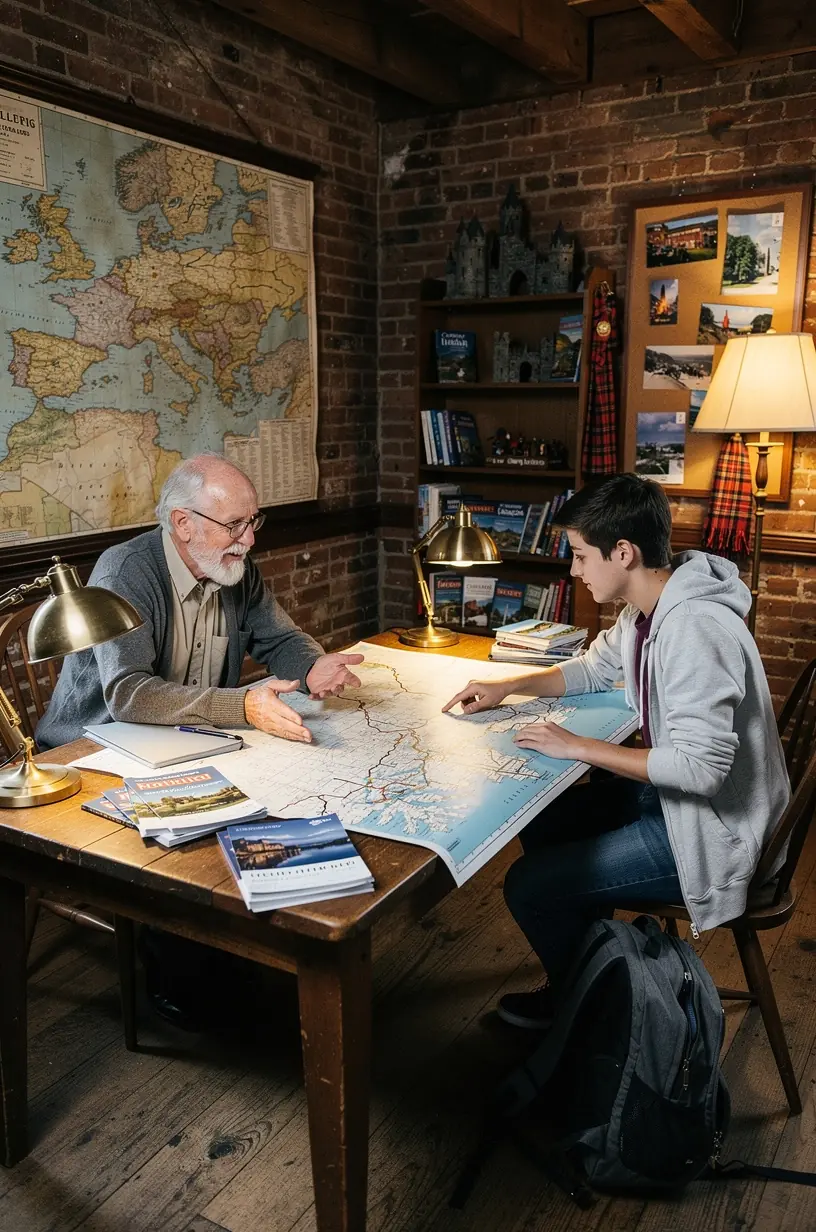
While digital planning is increasingly popular, offline consultations with travel experts can be invaluable. Consulting with professionals can provide tailored advice based on individual preferences and expectations. According to research from the travel industry, personalized consultations often result in more meaningful travel experiences.
Printed Travel Plans: The Old-School Advantage
In an age dominated by digital tools, printed travel plans may seem outdated, yet they can serve as a reliable backup. Having a tangible itinerary allows travelers to stay organized, especially in areas with limited internet access. Many users report feeling more prepared when they have a physical copy of their route with key information.
Acknowledge Limitations
Designing a multi-country route may involve challenges. It's crucial to acknowledge that this process typically takes anywhere from a few days to several weeks, depending on the complexity of the itinerary. Travelers should also be aware that not every option may be suitable for their specific needs or preferences; for example, travelers with mobility issues might require additional considerations.
Conclusion
Designing a multi-country route doesn't have to be overwhelming. By following these guidelines and acknowledging the potential challenges, travelers can create a balanced itinerary that enhances their journey across Europe. Whether utilizing online resources or seeking personalized consultations, the key is to stay informed and flexible throughout the planning process.